
I have noticed one common problem in many people, including myself earlier.
Whenever we like someone or something, we automatically feel that we must also agree with everything related to them. And when something happens that we don’t agree with, we get confused.
We either:
- get upset and start conflicts, or
- silently adjust and justify things we don’t truly agree with
This becomes even more complicated in close relationships.
For example, between husband and wife, family members, or close friends—many things are naturally acceptable between them. But sometimes, one person does something the other doesn’t like or doesn’t agree with. At that point, instead of handling it clearly, people either fight or start convincing themselves that “maybe it’s okay.”
The same pattern becomes even stronger in bigger areas like:
- political preferences
- religion
- institutions or organizations we follow
Someone may like a political party for certain reasons. But over time, they start defending everything the party does—even the things they internally feel are not right. Why? Because they think liking something means full agreement.
In my view, this is where the real problem starts.
The Core Confusion
Many people unknowingly believe this:
“If I like something or someone, I must agree with everything about them. Otherwise, I should step away.”
This creates an unnecessary pressure in the mind.
Because in real life:
- no person is perfect
- no system is perfect
- no ideology is perfect
So if we try to force complete agreement, we will either:
- lose relationships, or
- lose our own clarity
Neither is healthy.
My Way of Looking at It
Over time, I found a simple way to deal with this.
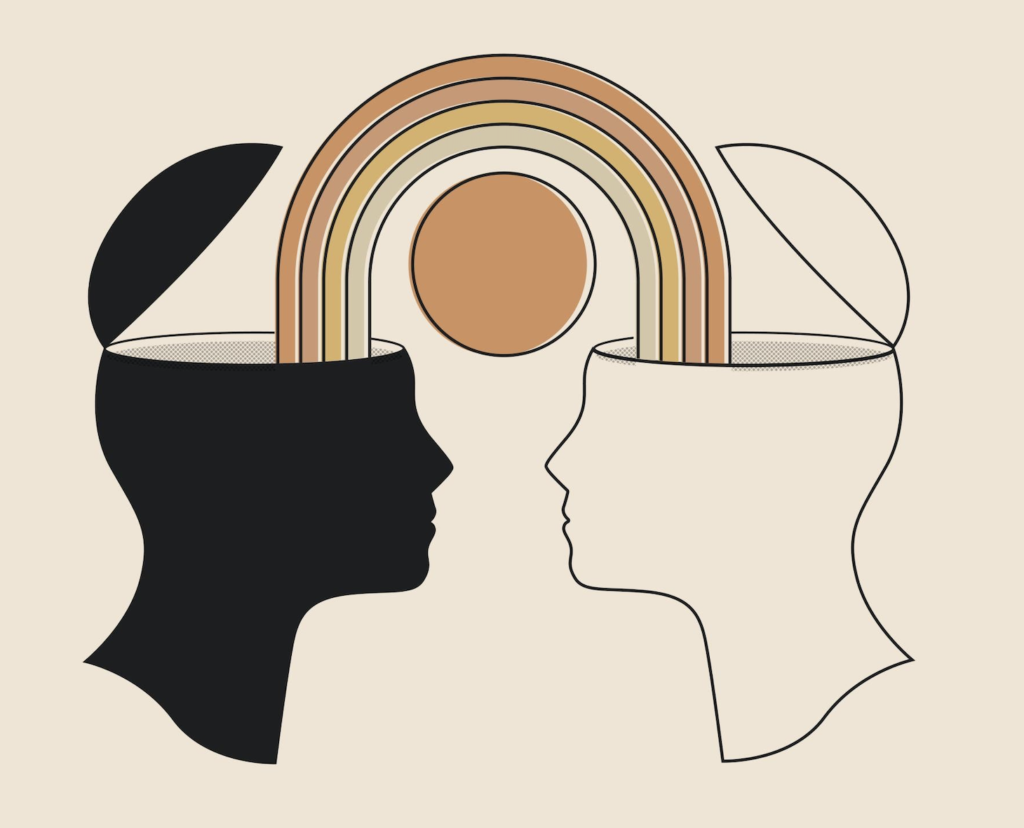
I clearly separate liking and agreement.
For me:
- Liking is emotional
- Agreement is intellectual
These are two completely different things.
Just because I like someone doesn’t mean I agree with everything they do.
And just because I disagree with something doesn’t mean I stop liking the person.
This small shift gave me a lot of freedom.
A Personal Example – My Father
There is no one more important to me than my late father.
He has influenced my life in many ways, and I respect him deeply. At the same time, I also know that I disagreed with him on many things—maybe even on the majority of things.
Sometimes I felt I was right. Sometimes maybe he was right.
But those disagreements never reduced my respect or love for him.
Looking back, I feel this is very important.
Because if I had thought:
“If I disagree, I should not accept him fully”
Then I would have lost something very valuable.
And if I had thought:
“Since I respect him, I must agree with everything”
Then I would have lost my own thinking.
By keeping these two separate, I was able to:
- respect him fully
- think independently
- and stay honest with myself
Other Areas in Life
This applies everywhere in my life.
Family
I love my mother and my family deeply. But that does not mean I agree with everything. There are many things where we see differently—and that is perfectly fine.
Public Life
I may like Narendra Modi as a Prime Minister for certain reasons. But I keep my full right to disagree with many decisions or actions.
For me, liking is not a contract of total agreement.
What This Separation Gives Me
Keeping liking and agreement separate has helped me in many ways.
1. Freedom to Like Without Fear
I can like someone or something without worrying:
“What if tomorrow they do something I don’t agree with?”
Because I already know I don’t have to agree with everything.
2. Freedom to Disagree Honestly
I don’t have to suppress my thoughts just to maintain an image.
I can say:
“I like this person, but I don’t agree with this particular action.”
That clarity itself brings peace.
3. No Need to Justify Everything
Many people waste energy trying to justify the actions of people they like—just to prove consistency.
I don’t feel that need anymore.
I don’t have to defend everything someone does just because I like them.
4. Healthier Relationships
When you allow disagreement, relationships become more real.
There is less pressure to pretend.
There is more space for honest conversations.
One Important Balance
At the same time, I also feel this:
Not everything can be ignored in the name of “disagreement.”
There is a difference between:
- small differences in thinking
- and serious issues of values or integrity
In some situations, disagreement may require distance.
So this idea is not about blindly tolerating everything.
It is about being clear about what you like and what you don’t agree with—without confusion.
Final Thought
For me, this understanding changed the way I look at people and situations.
I don’t have to choose between:
- blind agreement
- or complete rejection
There is a middle space where:
- I can like
- I can respect
- I can stay connected
And at the same time:
- I can think independently
- I can disagree
- I can stay honest
In simple words:
Liking someone does not mean agreeing with everything about them.
Once we understand this, we get a certain freedom—both in our relationships and within ourselves.
And that freedom, in my experience, is very valuable.


The article serves as a reminder to prioritize intellectual honesty over personal sentiment. By distinguishing between liking and agreeing, individuals can make more objective decisions and build more resilient professional environments. Thanks deepu..
Love the clarity here Deepu. Liking is emotional, agreement is intellectual—keeping that boundary is the key to healthy relationships and independent thinking. Well said!- Renjith 🥰